

One of the greatest fears older adults have about assisted living is losing their independence.
Recovering from an illness, injury or post-surgical rehabilitation can feel overwhelming for both older adults and their families. But as the hospital stay comes to an end, the focus shifts to the next phase of recovery: regaining function, promoting long-term health and reducing the risk of setbacks.
It’s not uncommon to still need assistance and therapy services as the healing journey continues. If your loved one is not yet ready to return home, physical, occupational and speech therapy services can serve as a bridge, providing structured support and personalized care.
Recovery Is About More Than Healing
When recovering from a major medical event, older adults may still experience weakness, balance issues, fatigue, memory challenges, difficulty speaking or swallowing or trouble performing everyday tasks.
Even simple activities such as getting dressed, preparing meals, walking safely or managing medications can seem much more difficult.
That is why recovery extends far beyond just physical healing. Individuals need to regain confidence, restore independence and return to daily life with as much strength and ability as possible.
Rehabilitation therapy may play a critical role in helping your loved one return to an active and self-sufficient life. The following is a brief outline of the different types of therapy that are available when recovering after a hospital stay:
The Role of Physical Therapy
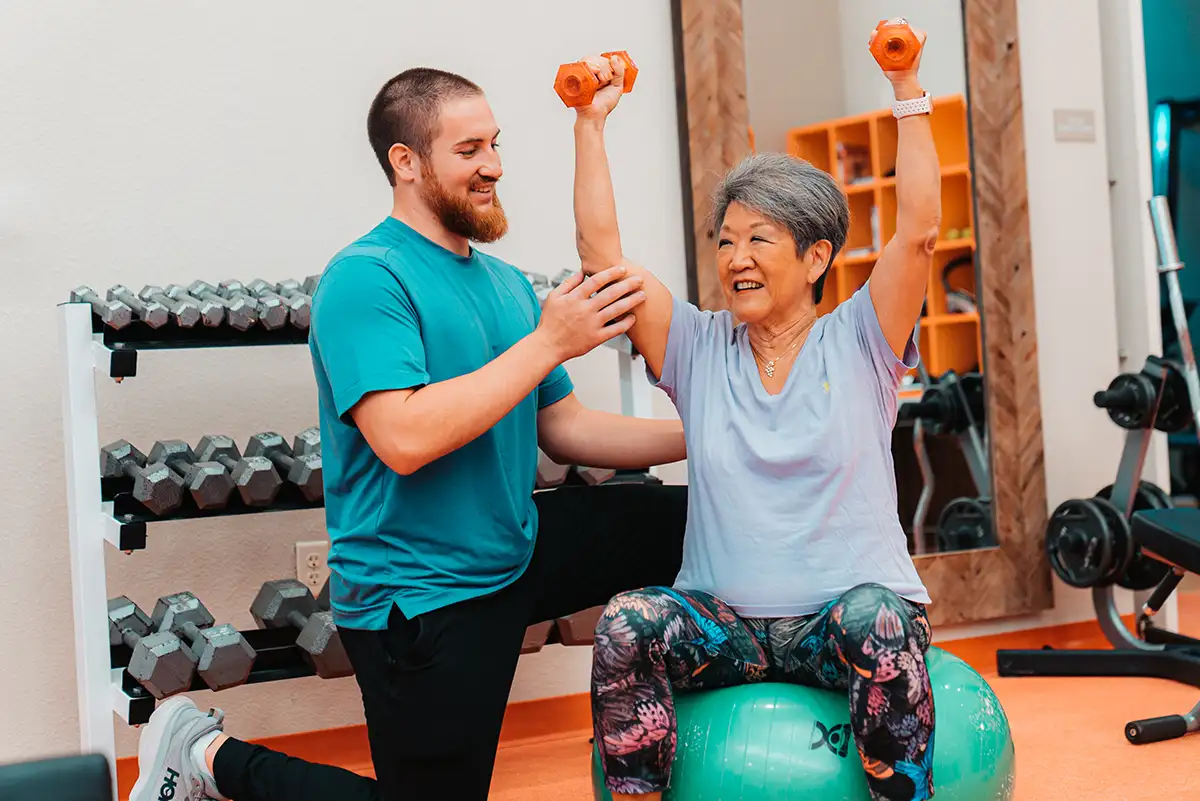
Physical therapy focuses on improving strength, balance, mobility, flexibility and endurance. It can help restore the ability to move safely and confidently again, supporting a return to an active and independent life.
Physical therapy may include:
- Walking and gait training
- Balance improvement
- Fall prevention strategies
- Strength-building exercises
- Pain management techniques
- Improving coordination and flexibility
- Safe transfers in and out of bed or chairs
The Role of Occupational Therapy
Occupational therapy helps individuals regain the ability to perform everyday activities safely and independently.
During post-surgical rehabilitation or recovery from illness or injury, many older adults discover that routine tasks are too difficult to manage on their own. Occupational therapists help people adapt, relearn skills and develop strategies to regain and support their independence.
Helping the individual regain confidence and function also reassures the family that their loved one can return to living safely at home.
Occupational therapy may assist with:
- Dressing and grooming
- Bathing safely
- Meal preparation
- Managing medications
- Improving hand strength and coordination
- Energy conservation techniques
- Adaptive equipment training
- Cognitive support for memory and organization
The Role of Speech Therapy
Many people are surprised to learn that this therapy involves much more than speech alone.
Speech-language pathologists work with older adults experiencing communication, cognitive or swallowing difficulties that may occur after strokes, neurological conditions, illness or hospitalization.
These difficulties can significantly impact quality of life and confidence. Speech therapy helps residents maintain important connections while supporting overall wellness.
Speech therapy may focus on:
- Improving speech clarity
- Strengthening swallowing ability
- Supporting memory and cognition
- Enhancing communication skills
- Problem-solving and attention exercises
- Helping residents express needs and emotions effectively
How the Therapies Work Together
One of the greatest strengths of rehabilitation services is how physical, occupational and speech therapy complement one another.
Rather than treating recovery as single issues, therapy teams work collaboratively to support the whole person.
For example, someone who requires post-surgical rehabilitation may need:
- Physical therapy to regain balance and mobility
- Occupational therapy to relearn daily tasks
- Speech therapy to improve communication and cognitive function
- Assistance from the staff for daily functions
Together, these therapies create a comprehensive recovery plan designed to help the individual achieve greater self-sufficiency and a higher quality of life.
Rehabilitation: Filling the Gap Between Hospital and Home
The following are amenities and services that can help loved ones receive the care and support needed for their post-surgical rehabilitation or recovery from illness or injury.
- Assistance with daily tasks when needed
- Medication management
- Nutritious meals
- Safe, accessible living environments
- Wellness monitoring
- Social interaction and emotional support
- Rehabilitation therapy services
Reducing Readmissions and Long-Term Decline
Recovery setbacks can unfortunately be common after hospitalization, particularly when older adults return home without enough support or follow-through care.
Missed medications, falls, poor nutrition, isolation or lack of mobility can sometimes lead to hospital readmissions or contribute to long-term decline.
Therapy services combined with supportive care can help reduce those risks by encouraging ongoing progress, monitoring changes early and promoting healthy daily routines.
Equally important, therapy helps older adults stay engaged in life rather than becoming discouraged, fearful or isolated after a medical event.
Rehabilitation and Moving Forward
Post-surgical rehabilitation or recovery from illness or injury takes time, patience and support. But it’s not simply about returning someone back to where they were before. It’s about helping them move forward with dignity, confidence and the highest possible quality of life.
Along with the compassionate care of physical, occupational and speech therapies, older adults can rebuild strength, restore important skills and regain self-assurance.
Because successful recovery isn’t just about healing. It’s about helping people continue living life as fully as they can.
Rehabilitation Services at Presbyterian Village North
We offer a Thrive 10-Day Stay in our Assisted Living neighborhood where you or a loved one can receive around-the-clock care, therapy, nutritious meals, and more.
The Thrive Program is ideal for those being released from a hospital or skilled nursing community but who are not yet ready to return home. It can also be a safe and compassionate respite for caregivers who need to find brief alternative care options, or for individuals who would like to see if our services would be a good fit on a long-term basis.
The following amenities and services are included:
- Assistance with bathing, dressing and grooming
- Medication management
- Onsite therapy services
- Nurse on-site 24/7
- Emergency call system
- Wellness, social and cultural programs to stimulate the mind and body
- Private studio apartments with spacious closets
- Kitchenette with microwave, refrigerator and freezer
- Bathrooms with vanities and walk-in showers
- Individually controlled AC/heating systems and windows that can be opened for fresh air
- Weekly housekeeping, laundry and flat linen service
- All utilities included except phone and high-speed internet. Free Wi-Fi is included
- 3 meals a day with our restaurant-style dining
Reach out today by calling (214) 355-9000 to learn more about how we can provide the care and support you or your loved one needs, all within our vibrant, caring community.